Be yourself; Everyone else is already taken.
— Oscar Wilde.
This is the first post on my new blog. I’m just getting this new blog going, so stay tuned for more. Subscribe below to get notified when I post new updates.
Let talk and walk in FASHION!
Be yourself; Everyone else is already taken.
— Oscar Wilde.
This is the first post on my new blog. I’m just getting this new blog going, so stay tuned for more. Subscribe below to get notified when I post new updates.
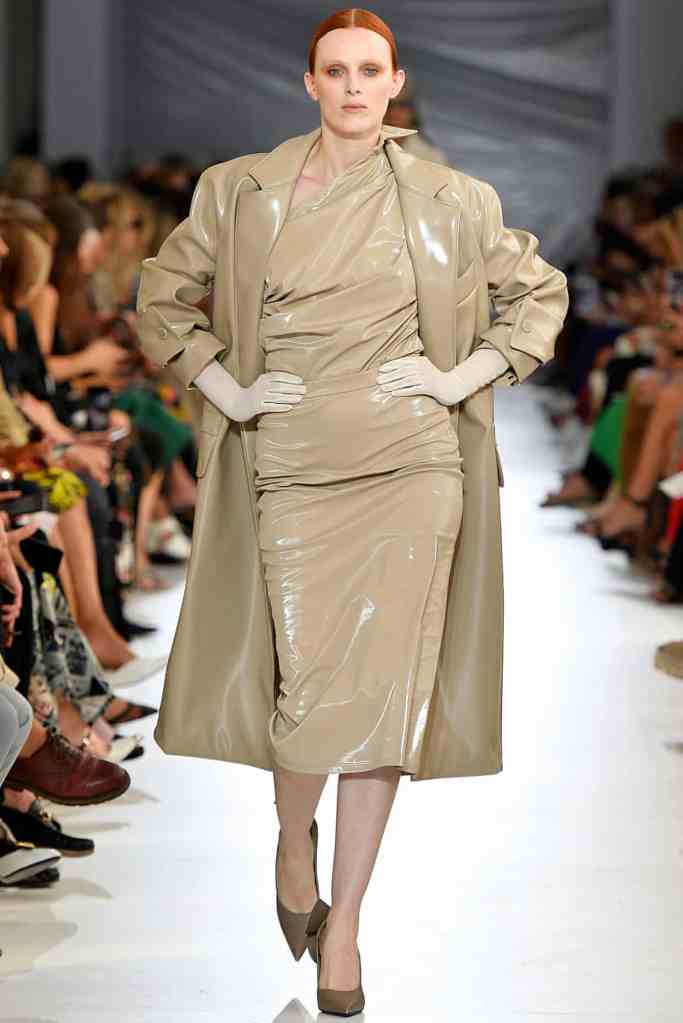
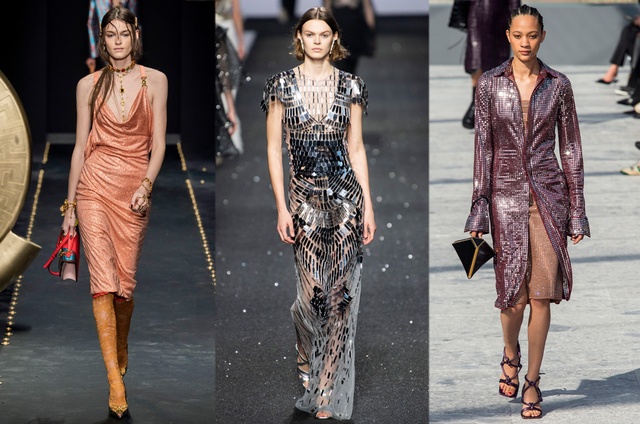
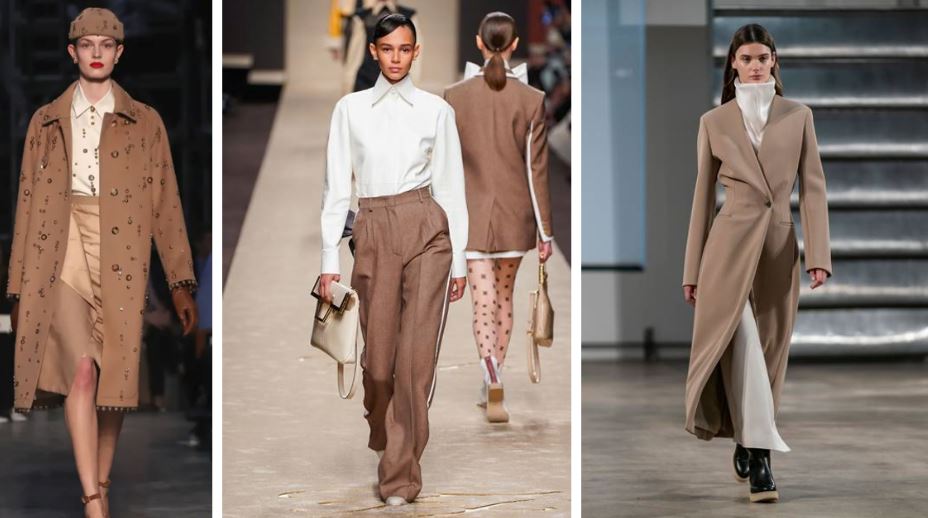
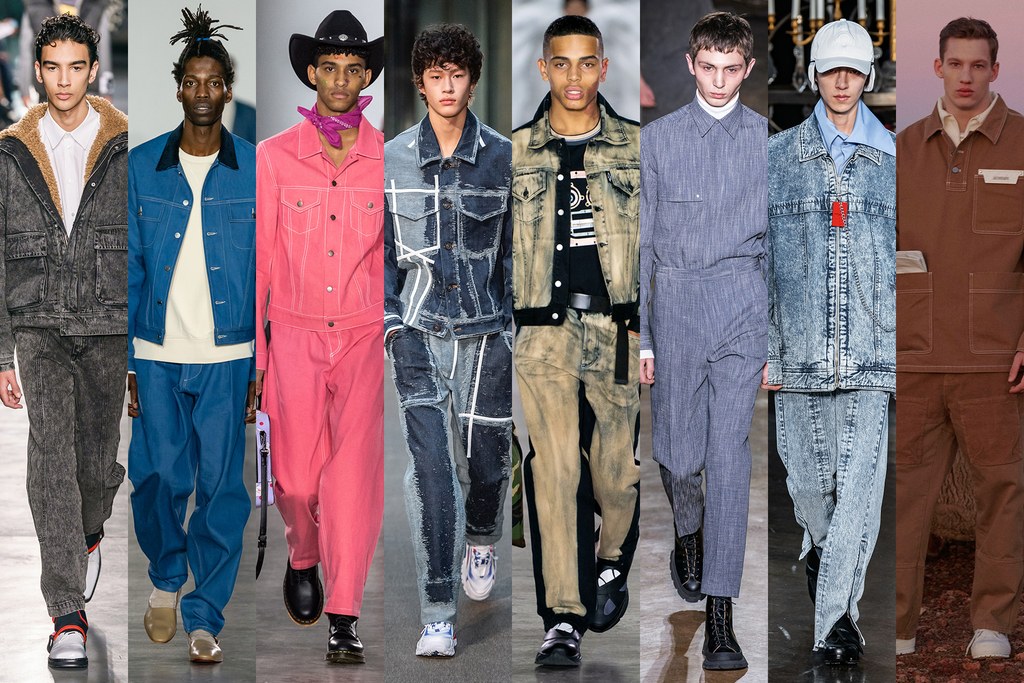
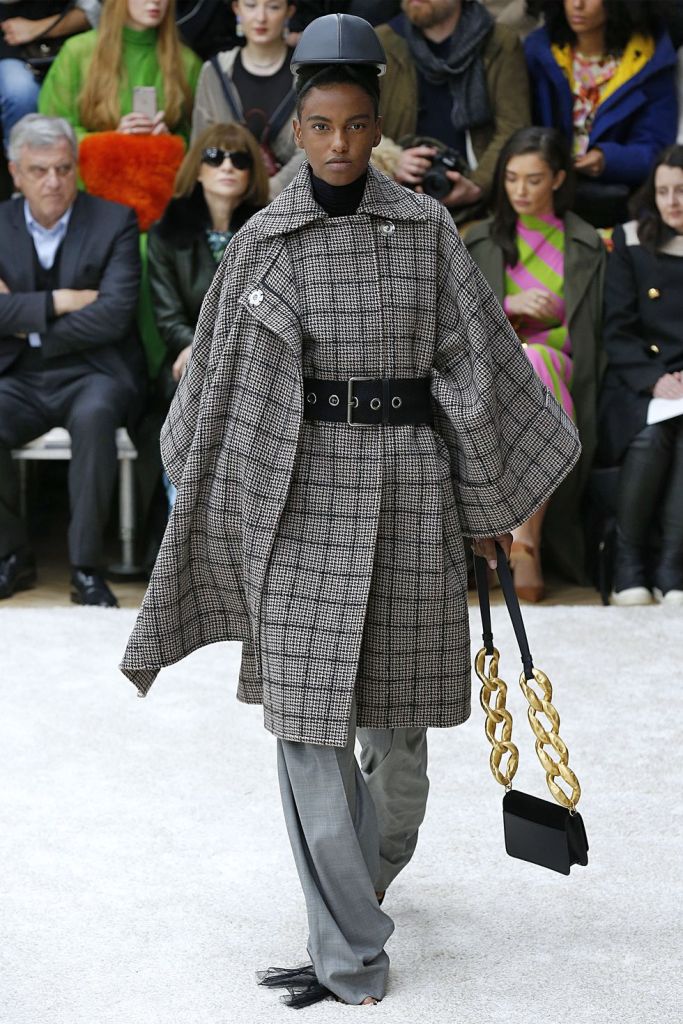
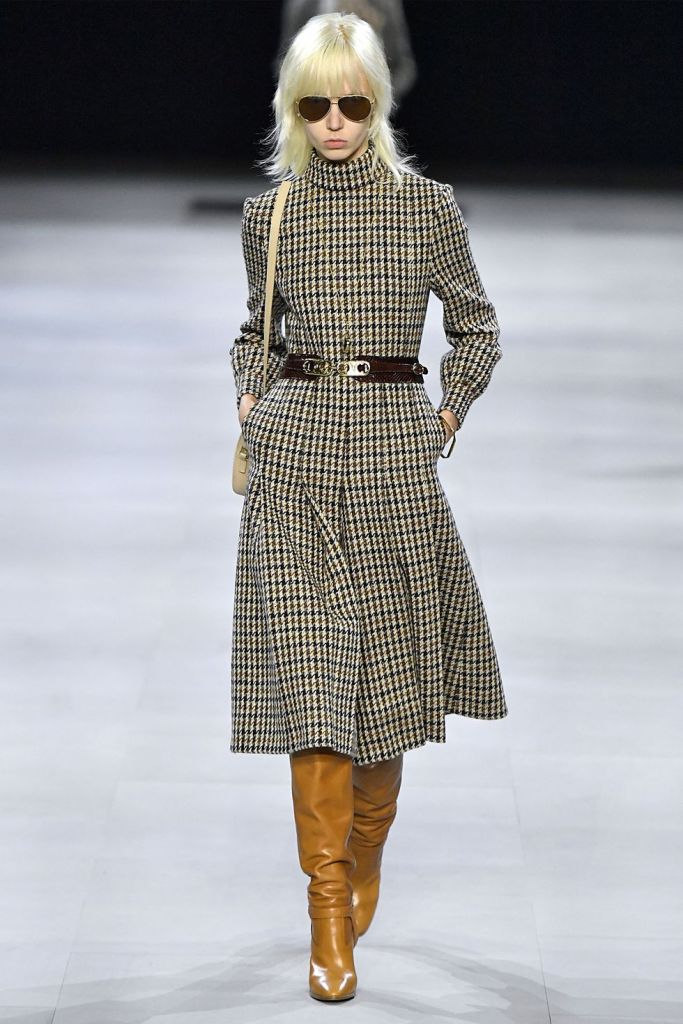
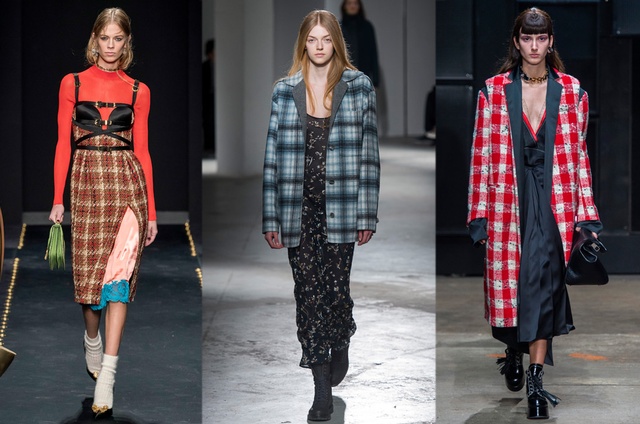
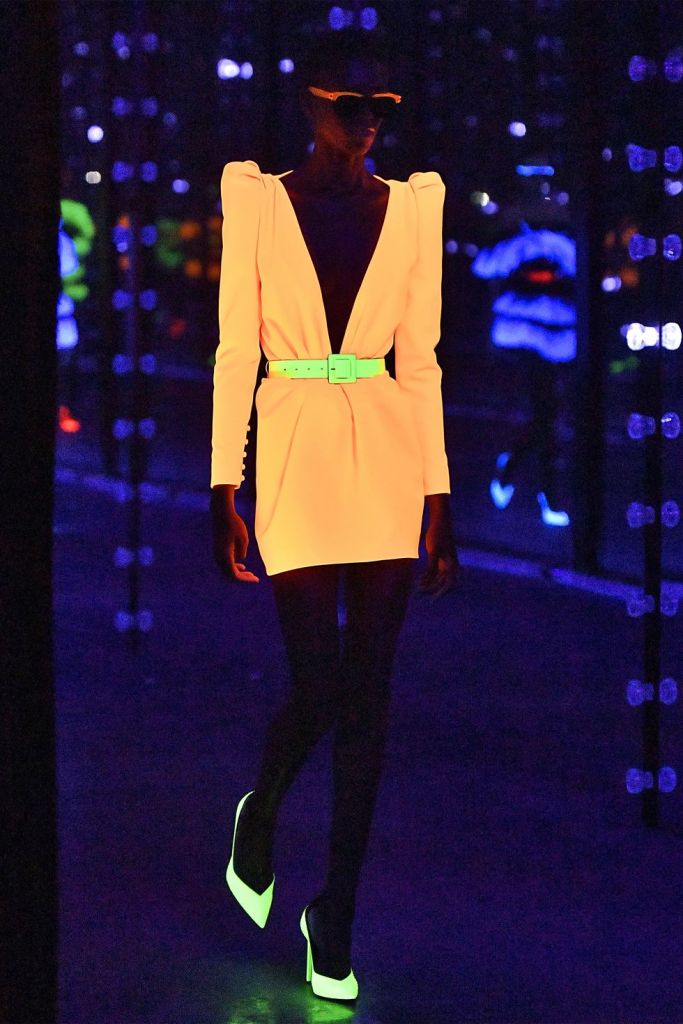
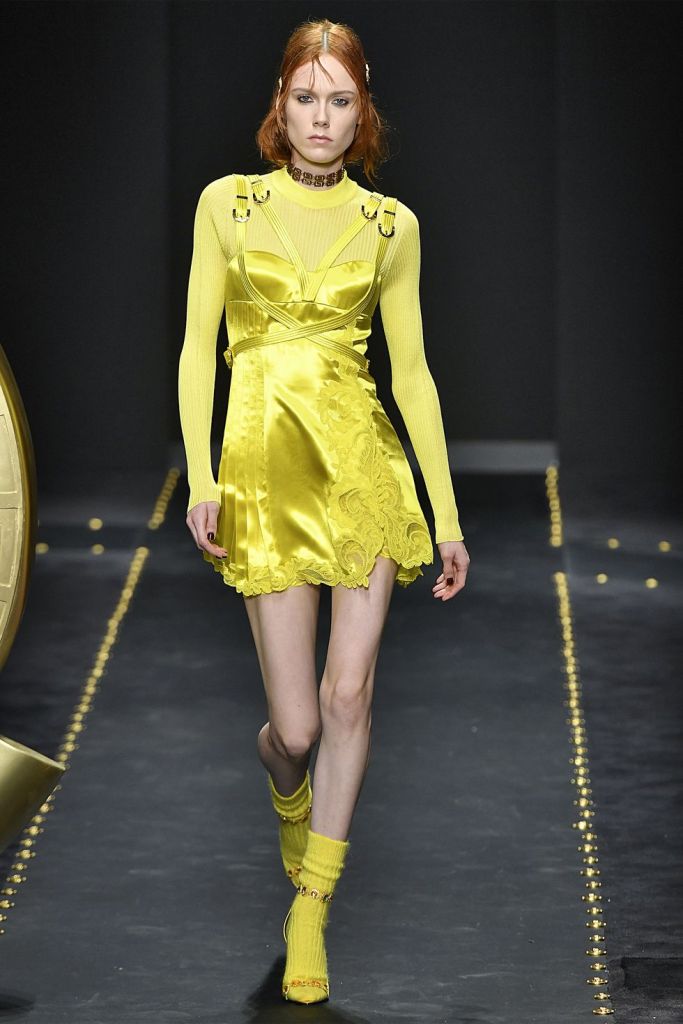
I have mentioned some of the trends for fall/winter 2019 but before going into that, let’s talk about the colour trends for AW’19. So you’re gonna see a spicy red, peachy pink, caramels and more colours which are mentioned below.

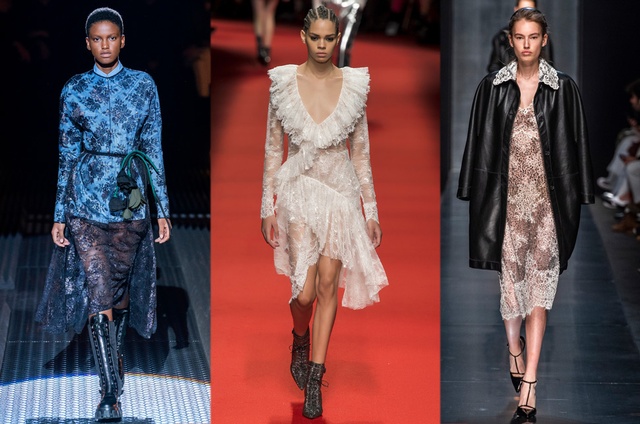
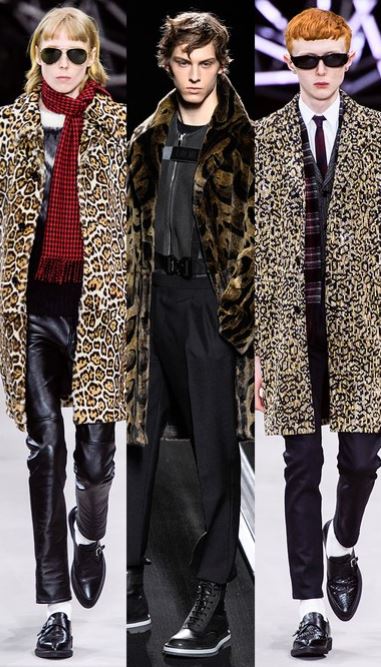
Coming to fashion trends, one will find lots and lots of check, stripes and animal prints, laces, metallic and neon dresses, utility dresses with a lot of pockets, pleated skirts, power shoulders and much more.

Accessories and Hair-do
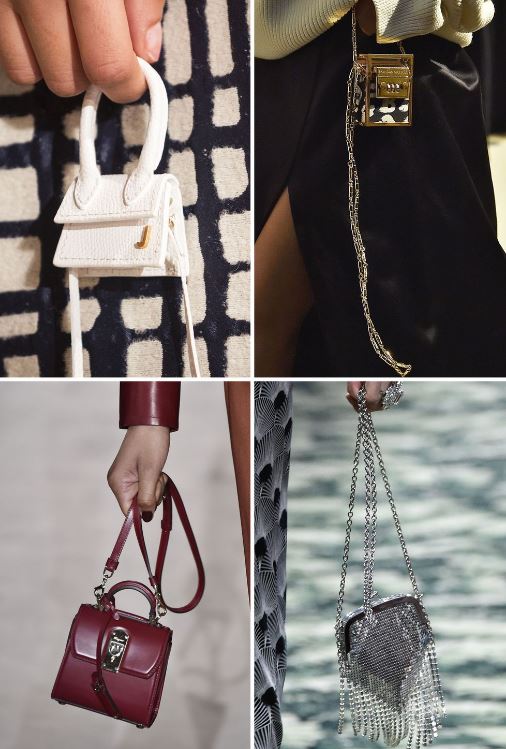
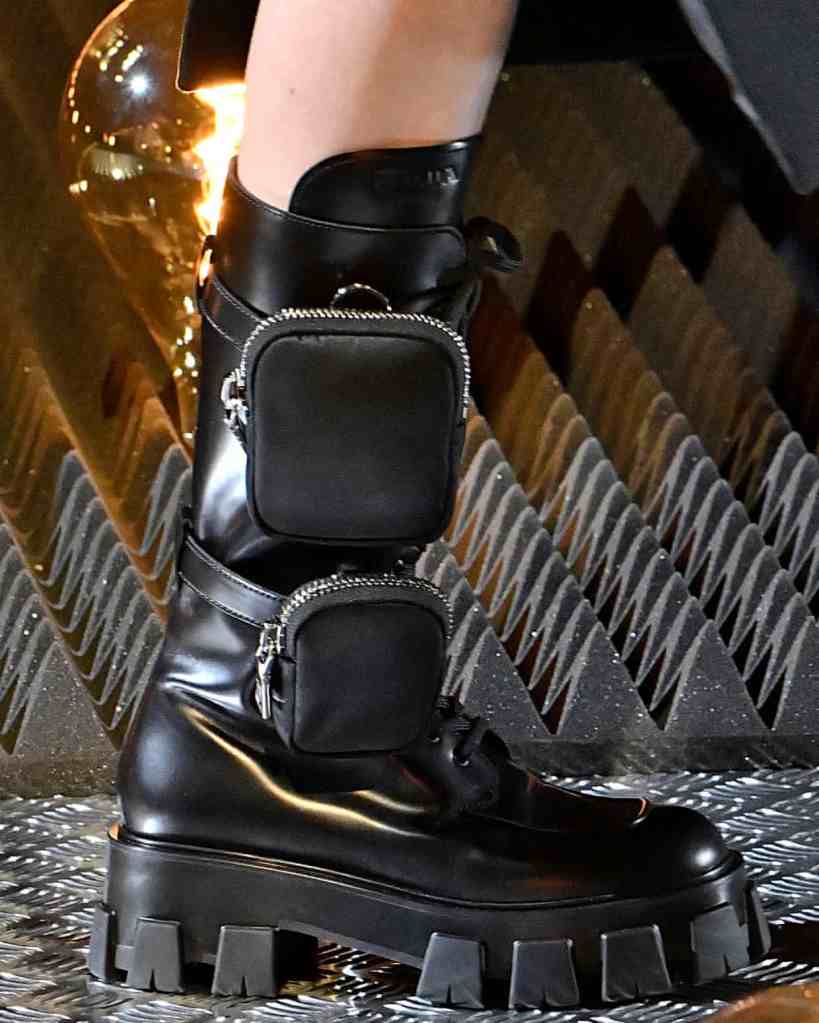
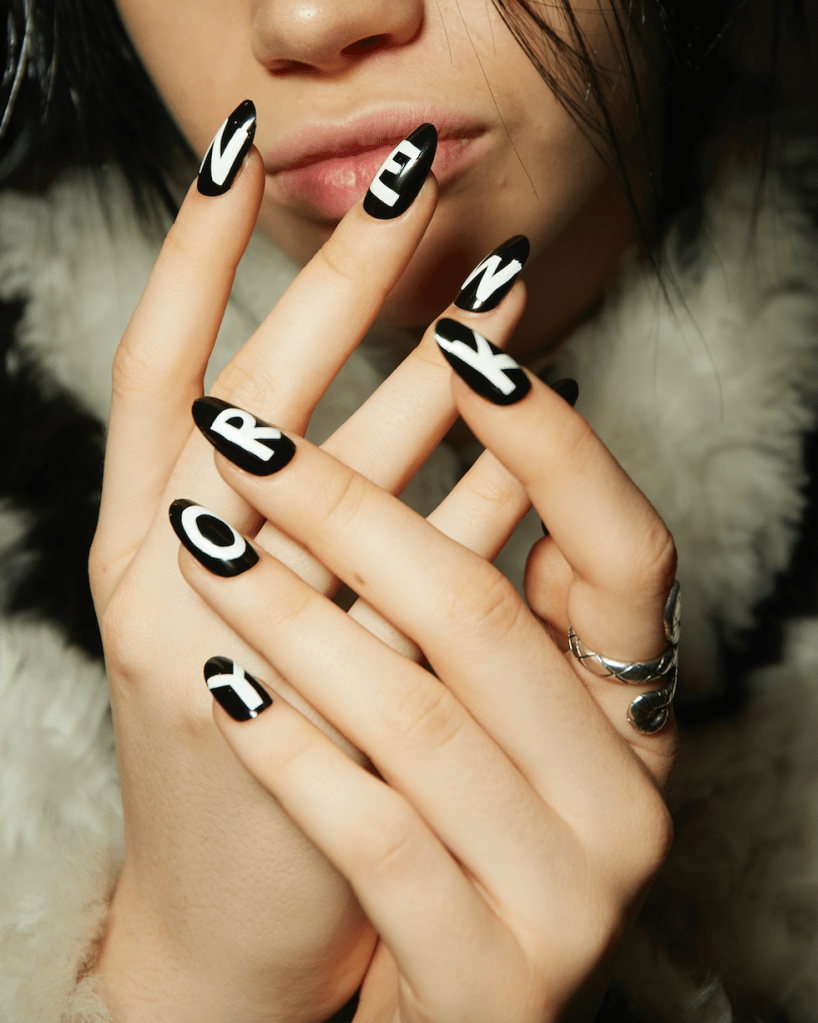
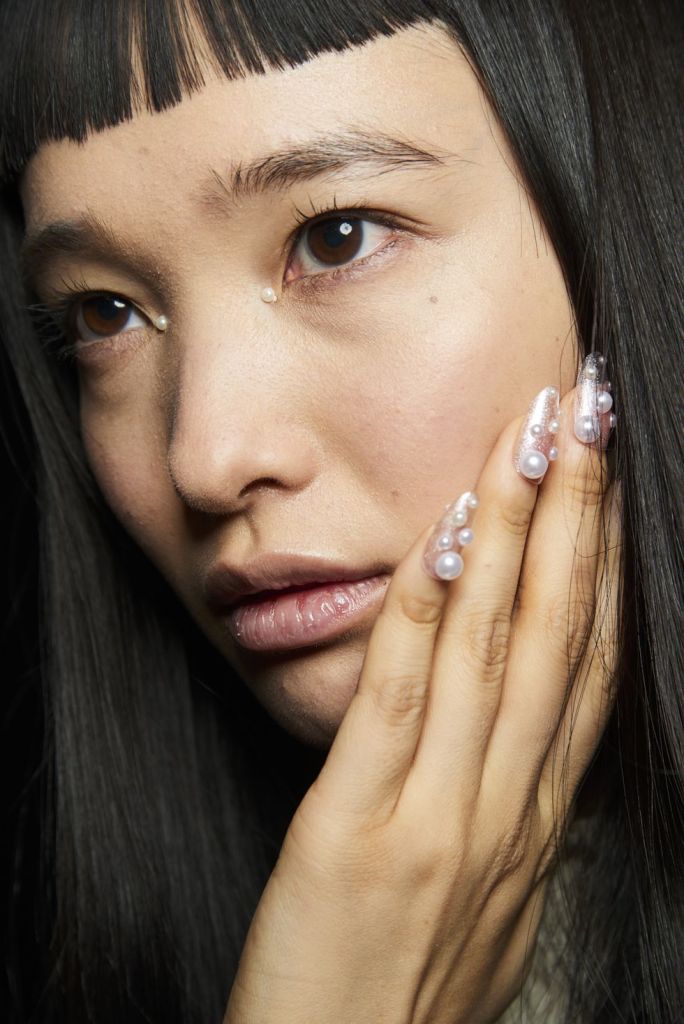
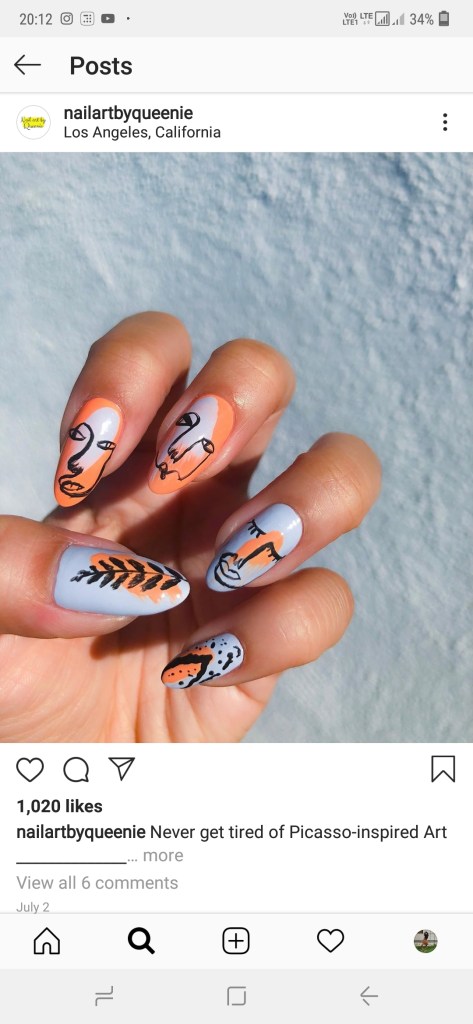
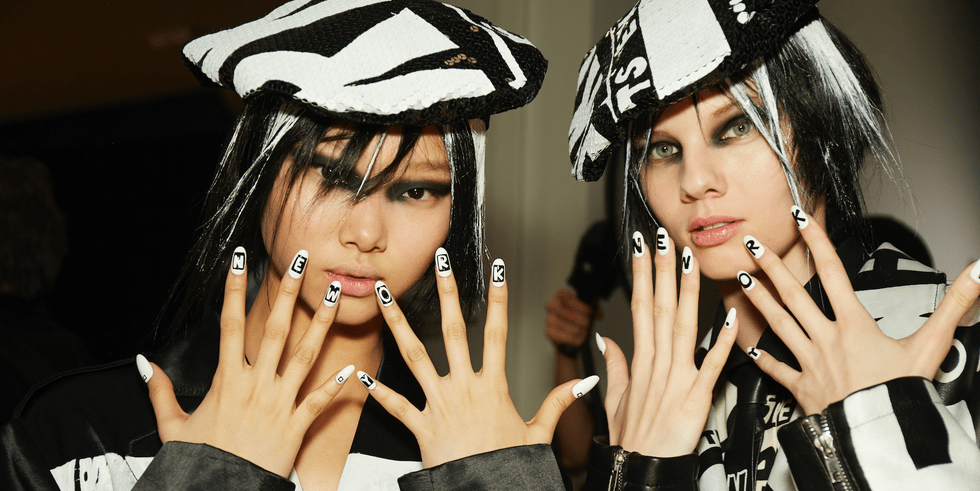
Micro bags are ‘thing’ in this season. Bags are getting smaller and smaller. Nail arts like picasso and pearls are in the trend for AW’19. Pearls are sticked to the nails and the inner corner of the eye. for men, round glasses have made a comeback this season.


1. Fad
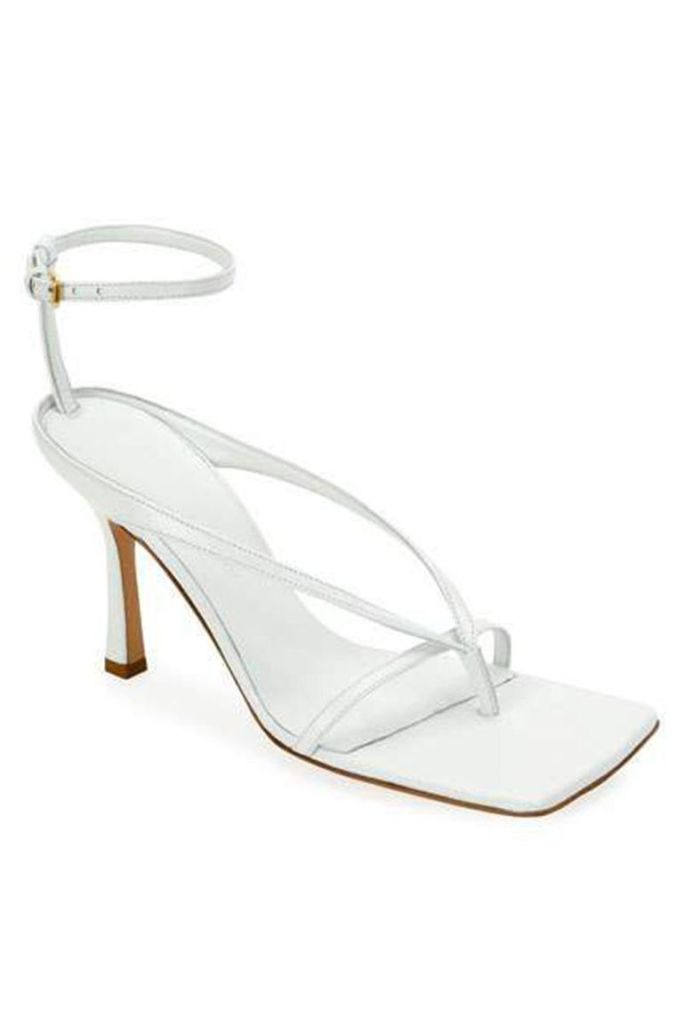
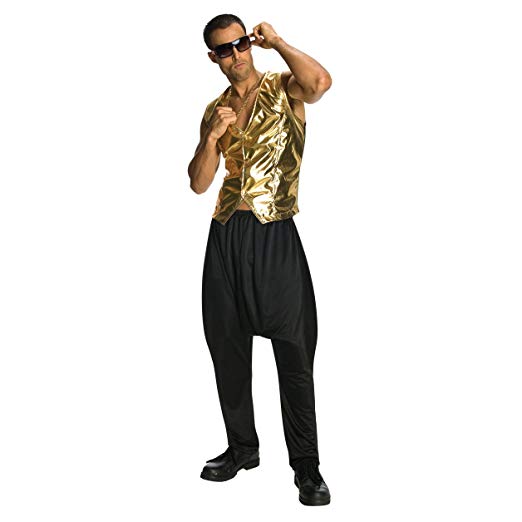
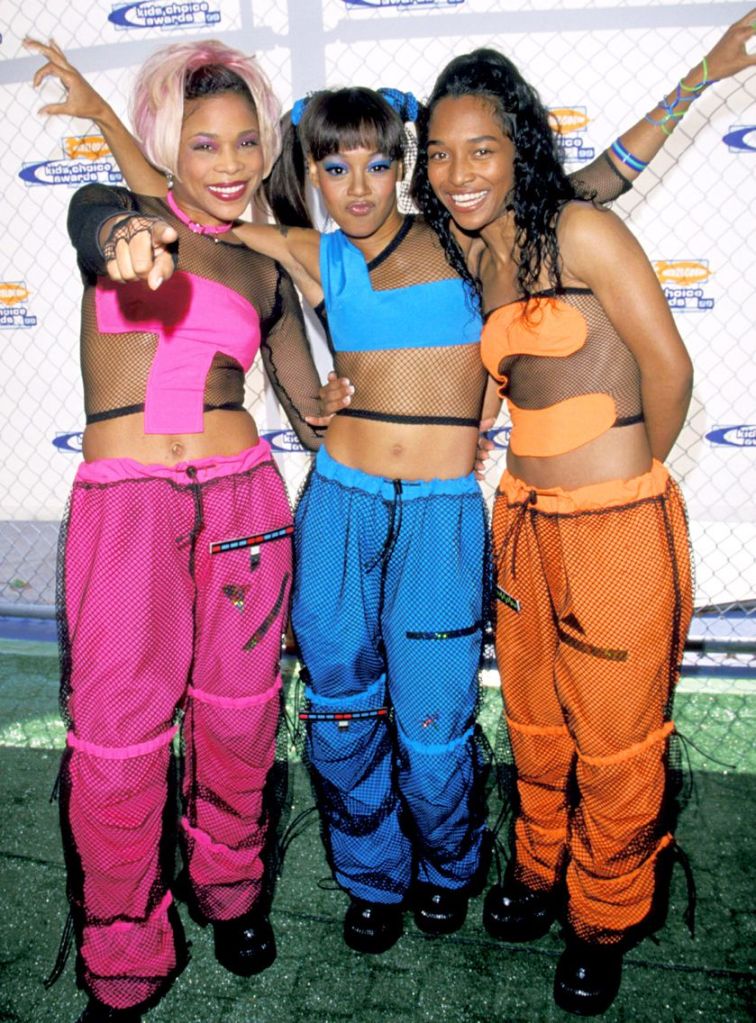
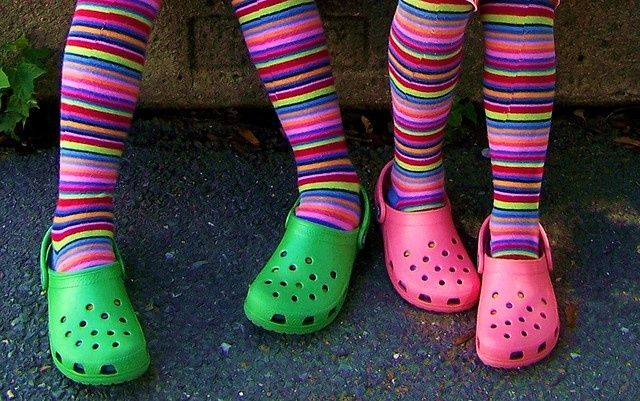
Fad is a short lived fashion which gains popularity within a very short span of time and then quickly disappears. Given below are some of the examples of fad fashion.
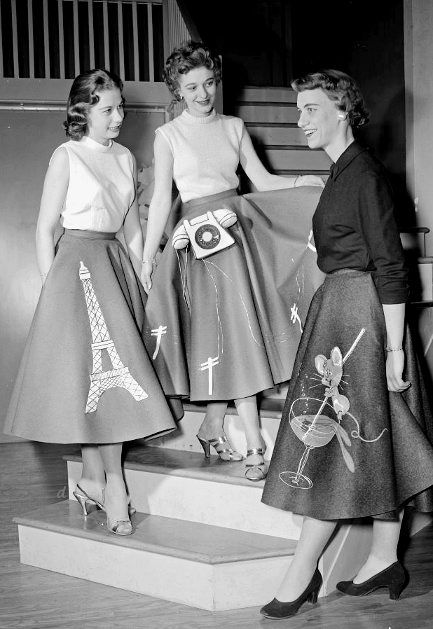
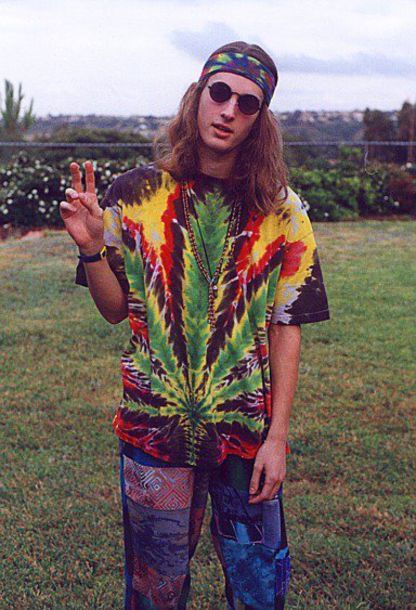

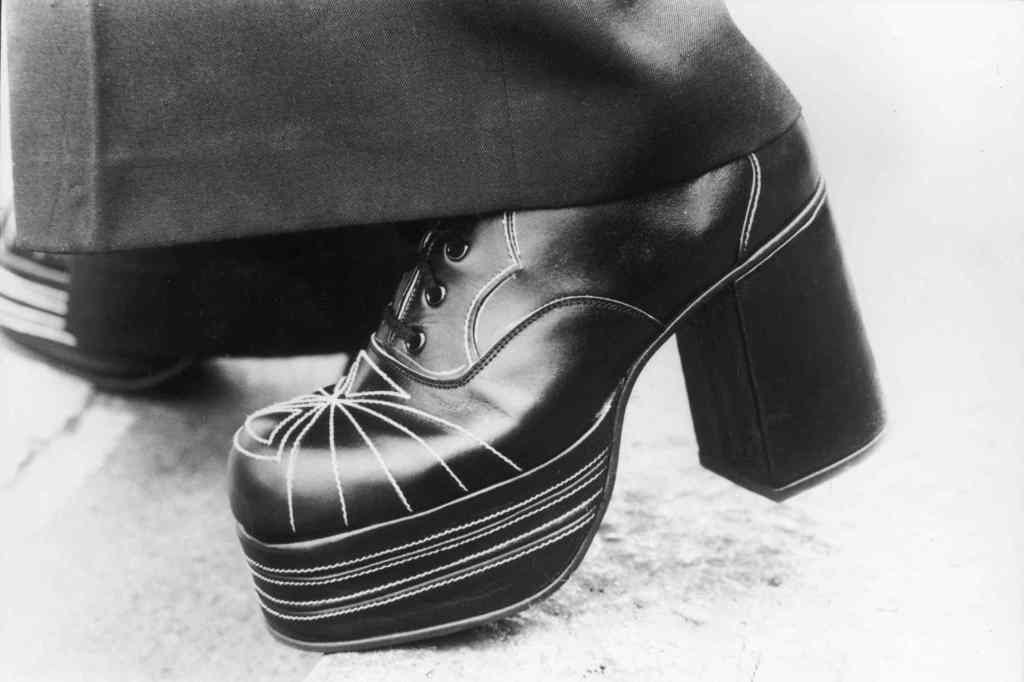
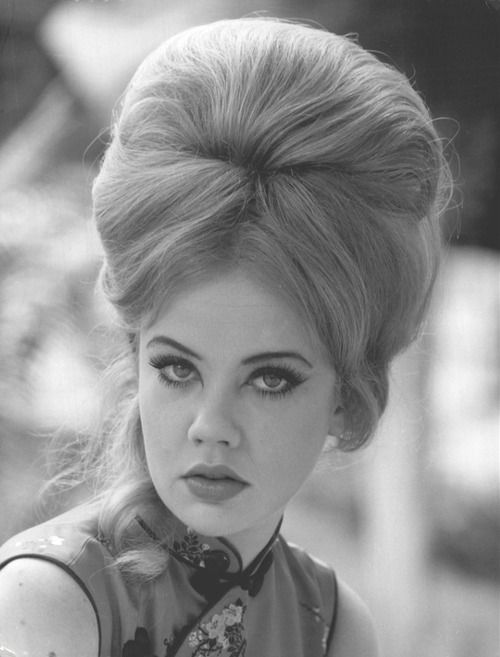
CLASSIC
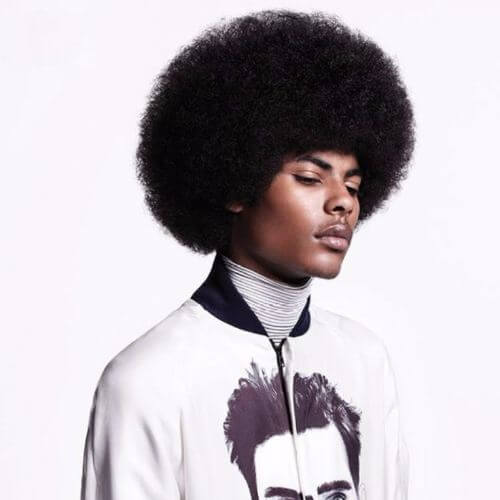
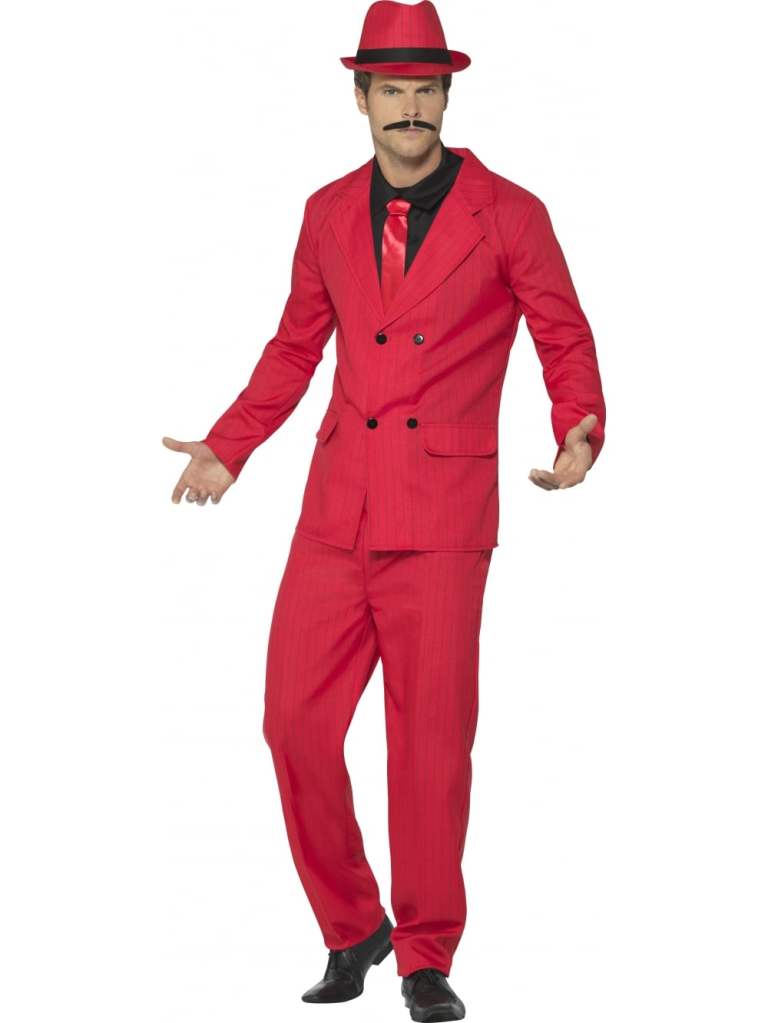
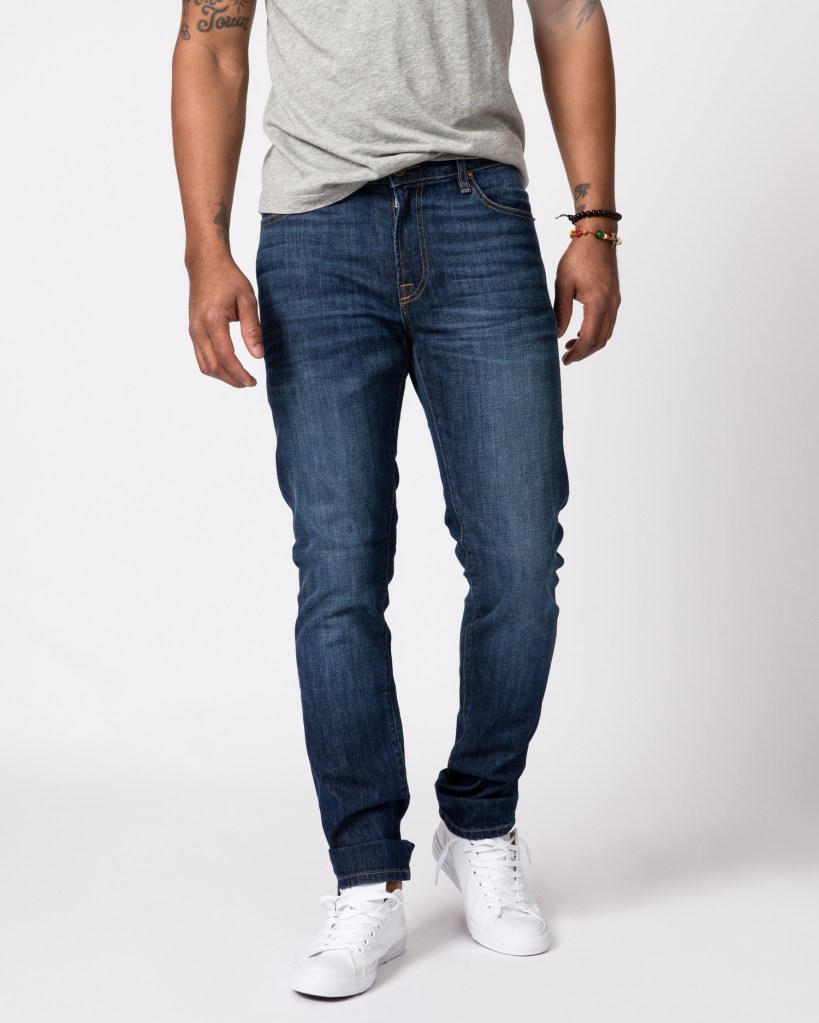
A classic is a style or design which remains in fashion for an extended period of time. It is timeless due to its simplicity of designs. Given below are some of the examples of classics.
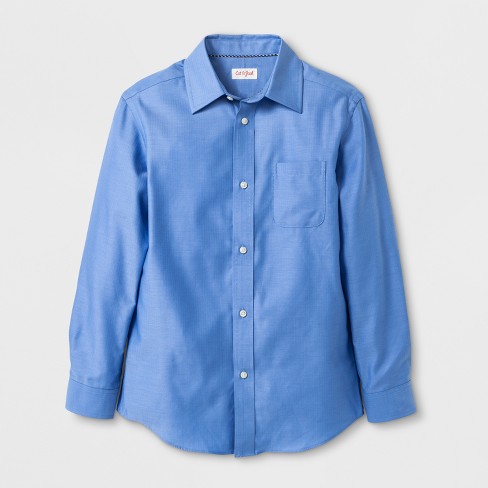

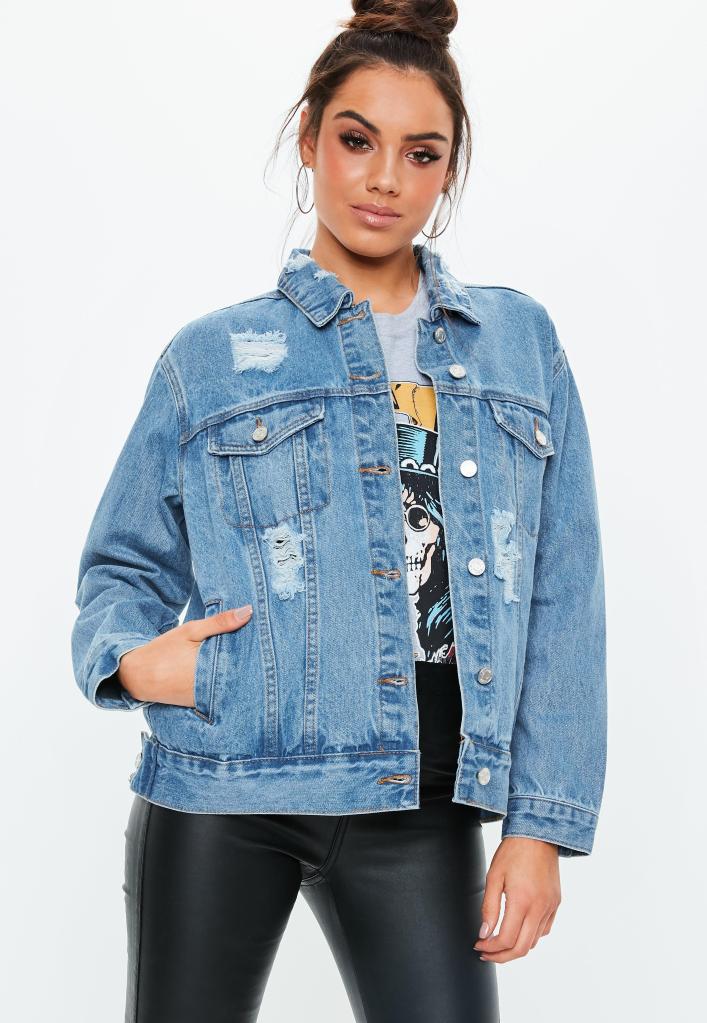
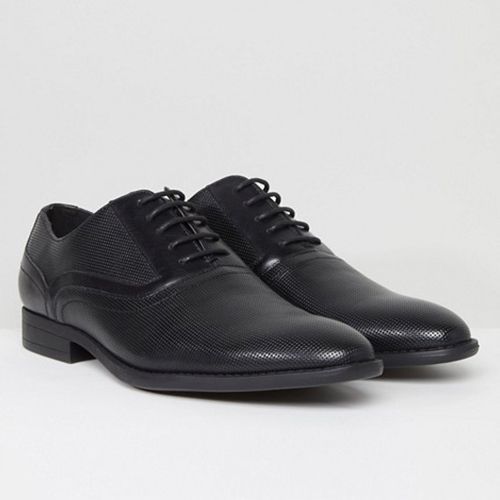
The Beatles
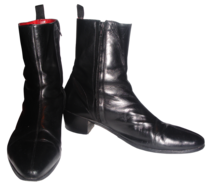
The Beatles were an English rock band, comprising of John Lennon, Paul McCartney, George Harrison and Ringo Starr. Beatles on stage fashion had been followed crazily by their fans. They played a key role in popularising Beatle Boots, John Lennon glasses and a Mop-Top haircut which includes voluminous, collar length hair at the back and over the ears at the side with straight bands.


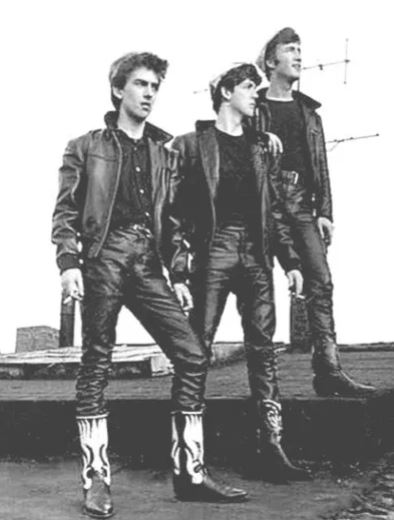
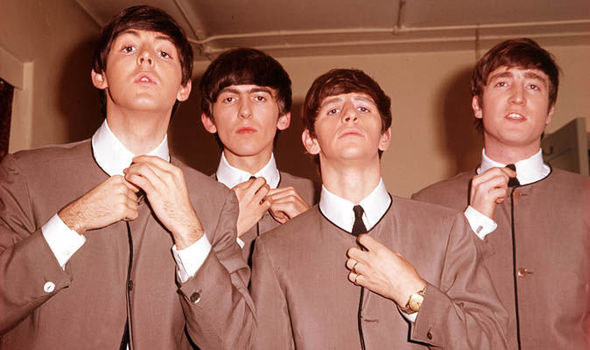
During the starting year of their career, Beatles used to wear biker and leather jackets during their concerts which got popular among their fans. In 1964, they changed their get up from fierce look towards more of an elegant look, which resulted in popularity of collarless suits.
2. Madonna
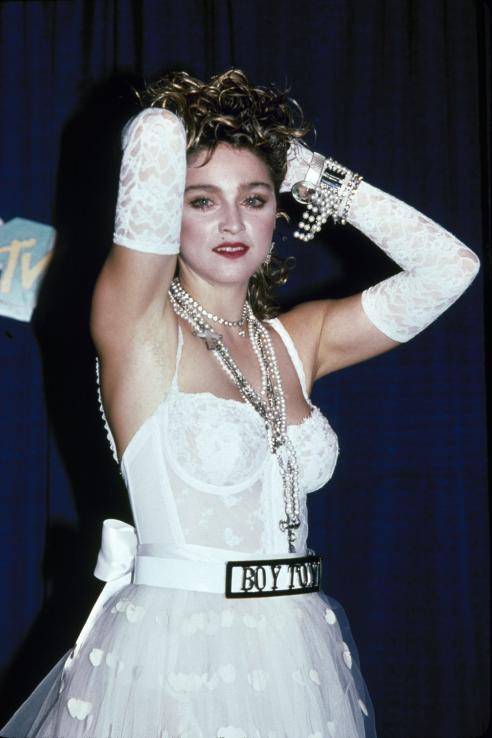
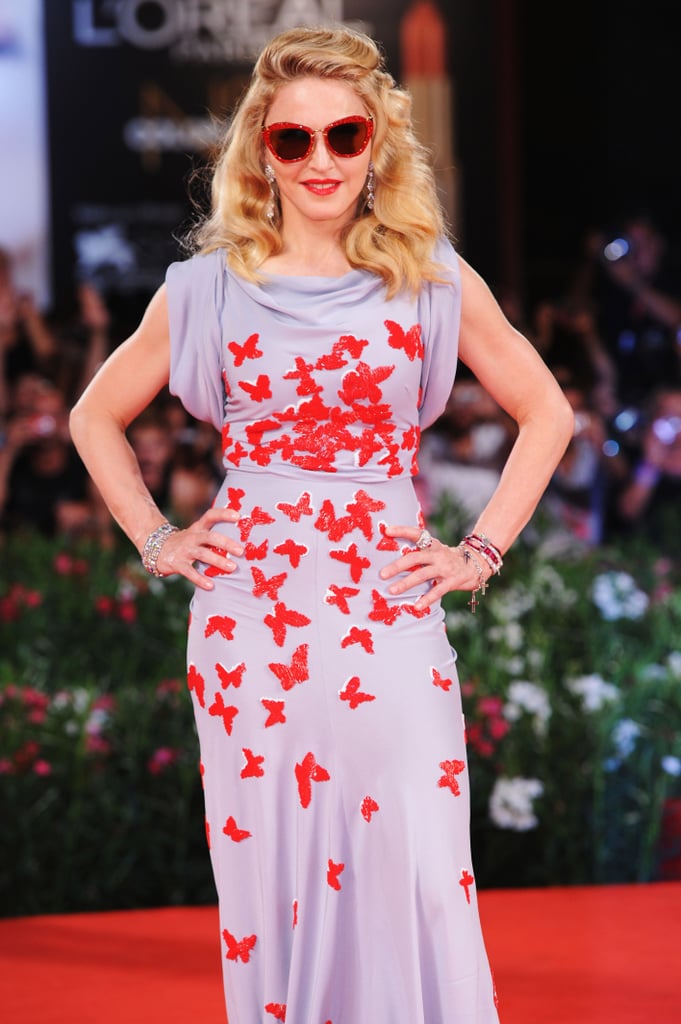
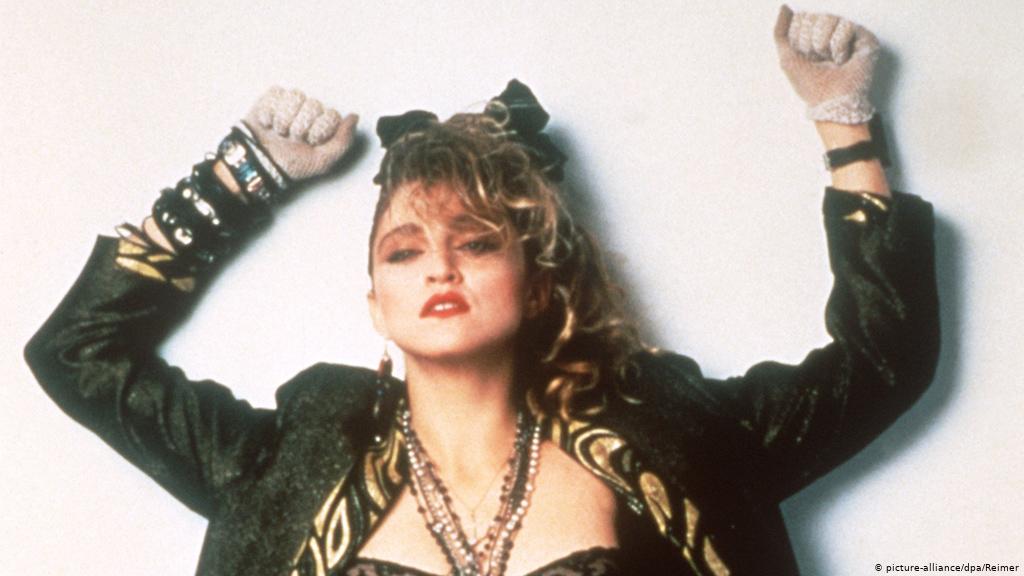
Madonna, a queen of Pop, is an American singer, actress and songwriter. She has been a fashion icon and popularised layered necklaces and lace. In 1984, Madonna wore a white wedding lacy dress for the inaugural MTV Video Music Awards for her debut performance of “Like a Virgin” with the BOY TOY belt which got famous and still remains her most iconic looks. Also, she wore a gown covered in red butterflies to promote her film ‘W.E’ at Venice Film Festival in 2011 which again was a hit and set the fashion trend.
3. Lady Diana
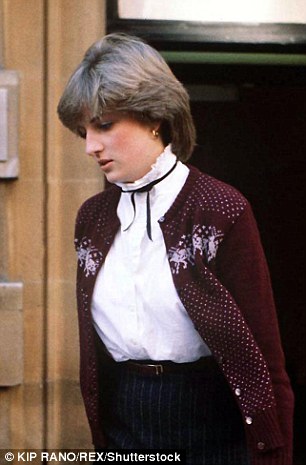
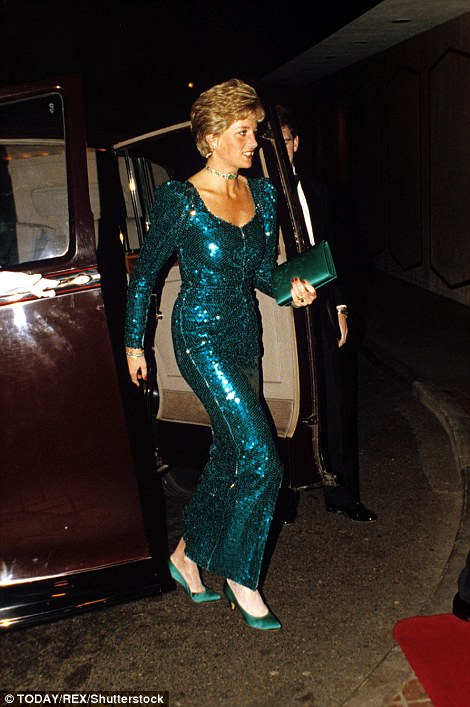
Lady Diana, Princess of Wale, was a member of British royal family. She became one of the most influential fashion and style icon in the 20th century. Lady’s Fashion evolution has been displayed in an exhibition at Kensington Palace, London.
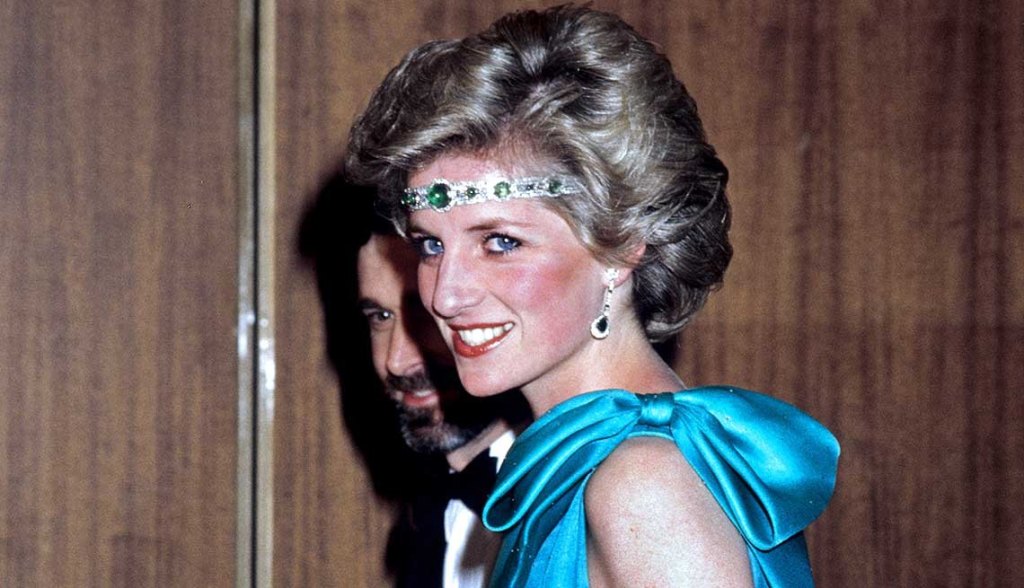
Princess Diana was more than just a fashion lover, she was a trend setter. She helped popularise her romantic look in the 80s which included high neck ruffled blouses, chokerss and puff sleeves. In fact, her wedding dress known as meringue dress became a trend in that time. Lady’s one of the most memorable style which got popularised was her mermaid dress and the way she styled her diamond and pearl necklaces as a headband. Her styles are as popular and obsessed over as ever.

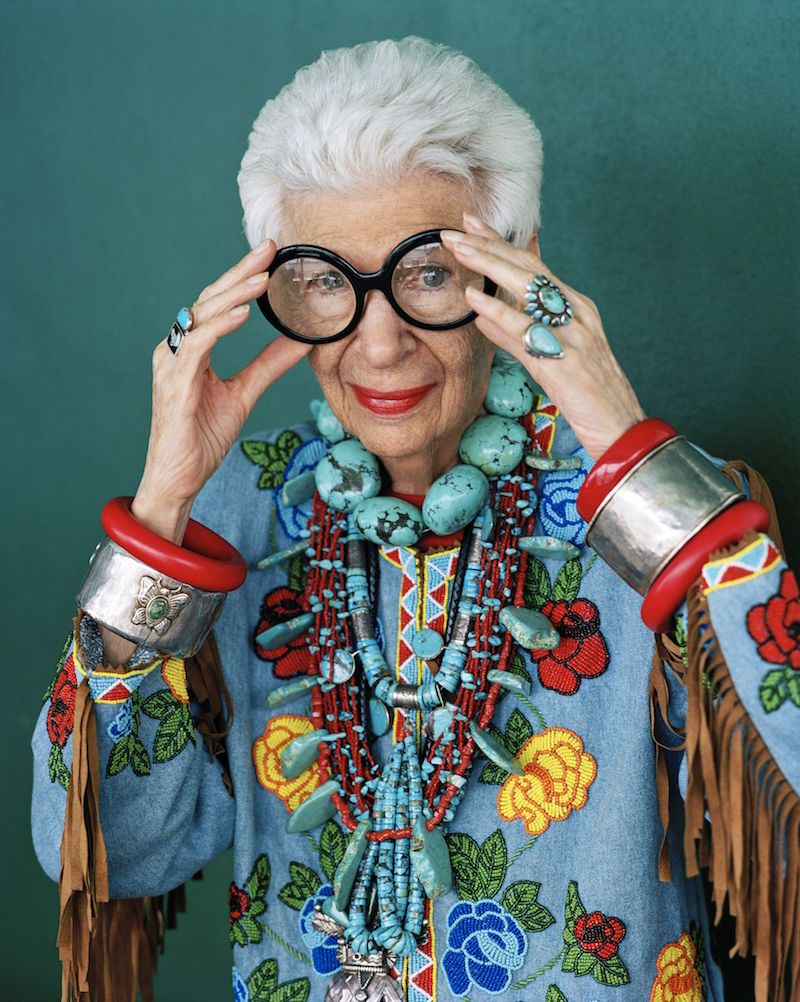
Take any profession, be it a Doctor, a teacher, or a Lawyer, presenting their personalities in a confident way can be expressed through the clothes they wear.
Some traditional professions like of a Doctor, have always followed a particular dress code. You will never see a Doctor in anything than a white coat. Why? Because they need to convey their abilities through all the times which is communicated through their dress code only.

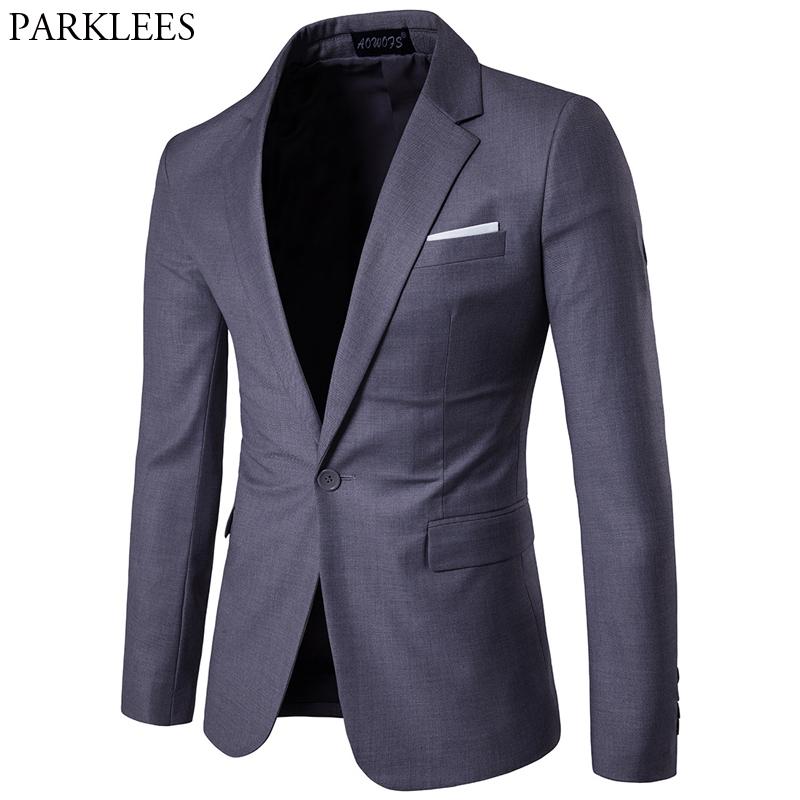
Bankers- what comes to your mind when you read the word bankers? A formal suit, without a doubt! A suit with a classic style in dark colours with shirts of neutral colours. See here’s where fashion plays a major role in depicting the professions.
On the other hand, creative professions like of a designer, fashion consultant or an advertiser, there’s a greater scope for experimenting with the dress code maybe in terms colours, patterns or combinations with the help of which one can express their creativity and personality. Professionals in this field are seen wearing jeans and other casual clothings.
GRECIAN
Ancient Greece clothing consists of long rectangular linen or wool fabrics. As the weather was hot for most of the year, Greeks used to wear draped simple and light garments. Their garments were usually wrapped around the body, pinned at the side seams as well as shoulders ,dyed with bright colors decorated with ornate patterns.
Their garments derived from tunics, which were worn by both men and women. Greek men used to wear Chiton , a tunic made of light linen, for outside work such as horse riding or exercise. Likewise, Greek women used to wear Peplo, a type of tunic usually made from a heavy wool material, made from a large rectangular piece of fabric, draped in different ways to reflect different styles. During winters, Greek men wore cloak over their tunics for warmth which is called as himation.

GIBSON GIRL ERA
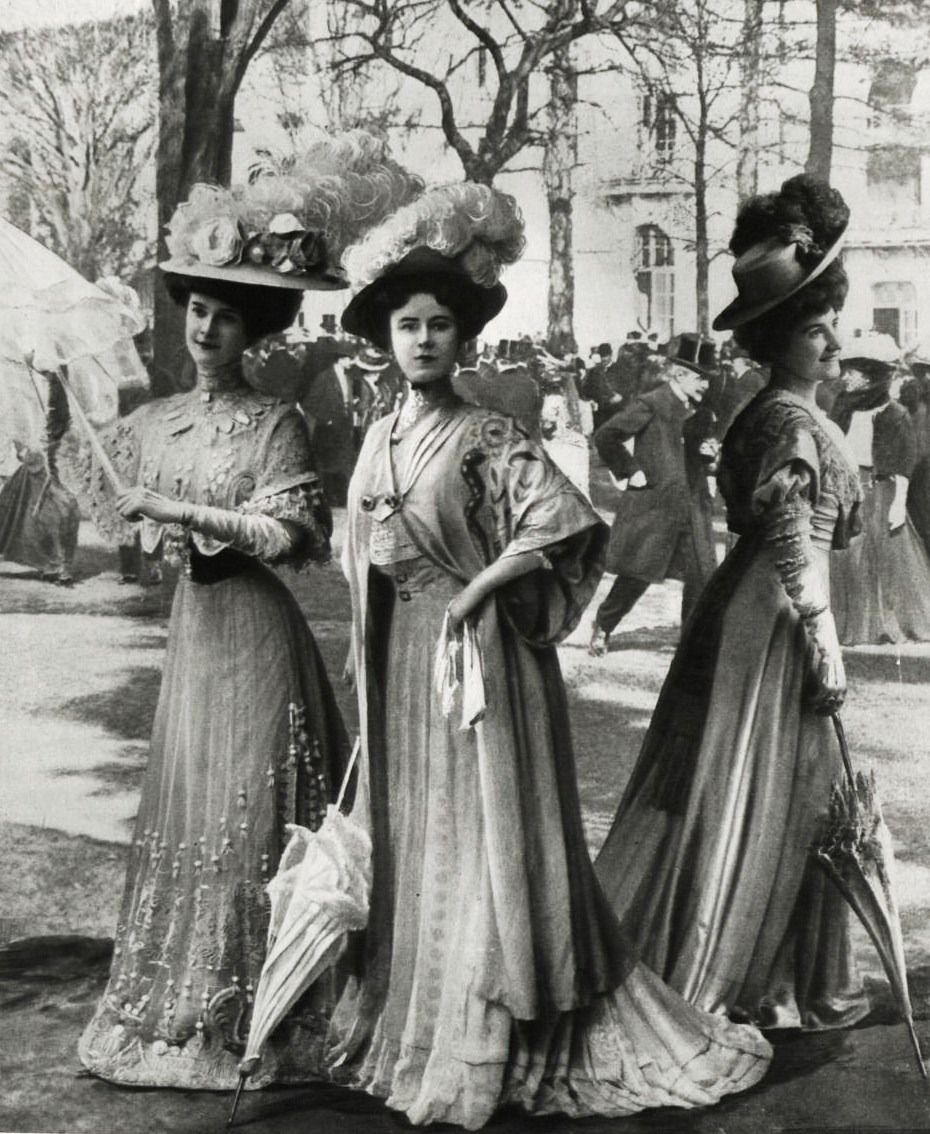
During Gibson girl era (1890s through 1905), also known as Edwardian era, two piece skirt and blouse started to emerge with style. Gibson girl look consisted of tops and blouses with extra wide puffed sleeves and shoulders which was paired with curved corseted waist and a-line long length skirts. Gibson hair were voluminous topped with a large flower and feather in the hats.
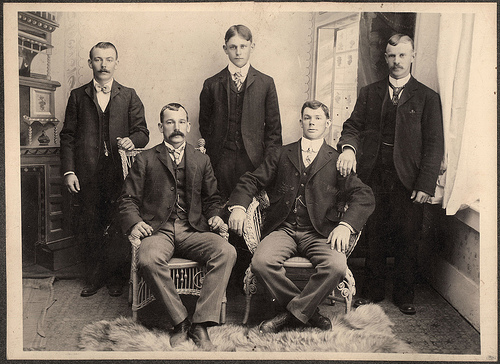
Men’s clothing were used to be more formal which consisted of suits during the day, formal tailcoats for evening with stripe prints on the fabric and a casual attire for sporting events. Trousers consisted of elastic or leather suspenders and belts were an option with the casual attire.
The Gibson Girl was considered to be the ‘pin-up girl’, a look which was created by Charles Dana Gibson in the 1890s. The garments under this era revolved around S curve when corset created a S shaped silhouette.This shape forced the hip back and the bust forward.
FLAPPER ERA
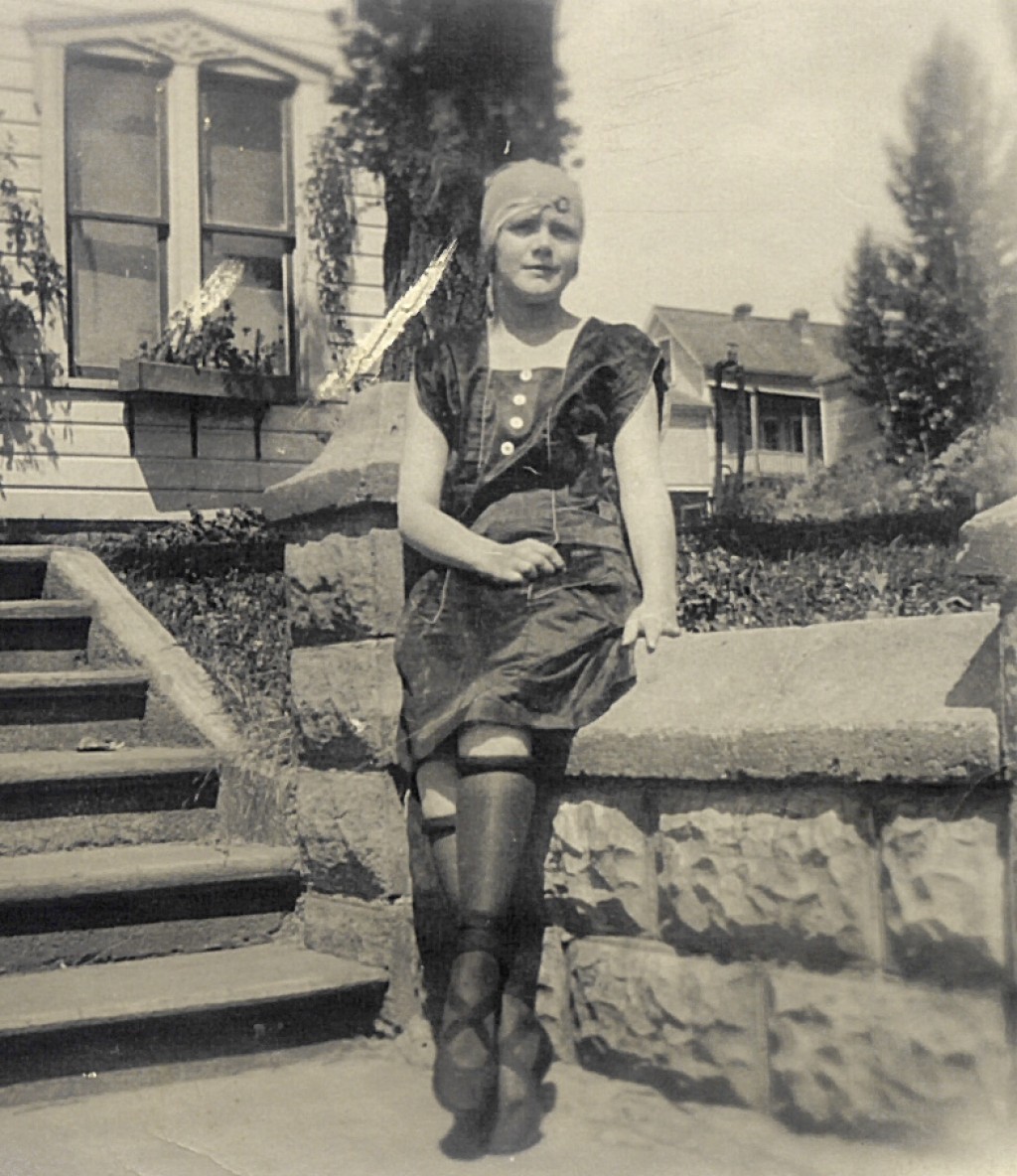
Flapper era, also called Roaring Twenties, emerged after the world war I, during 1920s, represented a tremendous change in lives of women during that period. Flappers were a generation of young independent American women who used to wear short skirts, bobbed their hair, listened to jazz and embraced a lifestyle which was considered immoral by many.
Flappers wore makeup in public, short dresses with deep necklines, skirts with calf revealing lengths and had shorter hair. The garments became more looser and shapeless in fit. Straight and slim was the preferred silhouette.
The Fashion industry is one of the major contributor to the economies of many countries. India, one of the largest producers of textiles and apparel, employs 35 million workers, second only to agriculture. Therefore, fashion industry helps in contributing to GDP of a country, which in turn increases the demand and supply in an economy. With the increase in supply, employment also increases, which means even greater income and hence the purchasing power and ultimately consumption of increases in the economy.
The increasing demand of fast fashion is fueling the growth of apparel industry. Clothing production has been increasing from past years, driven by a growing middle-class population across the world. Not only GDP, fashion industry has a major impact on the imports and exports of the country. Each year millions of clothes and fashion accessories are imported and exported. Apart from this, fashion industry also promotes creativity among the masses.
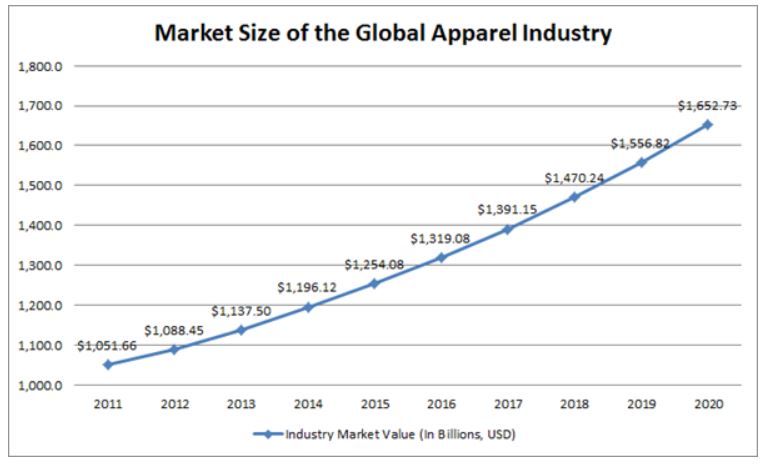
According to United Nations Environmental Program, the fashion sector – comprising textile and apparel creation and production, is the second largest global economic activity in terms of trade. The global sector is valued at $1.44 trillion.
Fashion industry is the second largest polluting industry in the world. The old fashion models of buying, wearing and discarding the clothes has a negative impact on the earth’s resources.Addressing environmental problems created by apparel industry could provide an overall benefit to the global economy.
Embracing fashion is totally a voluntary activity. There are many trends which are there but these fashion trends are not necessarily to be followed. Every individual is free to embrace it or ignore it.
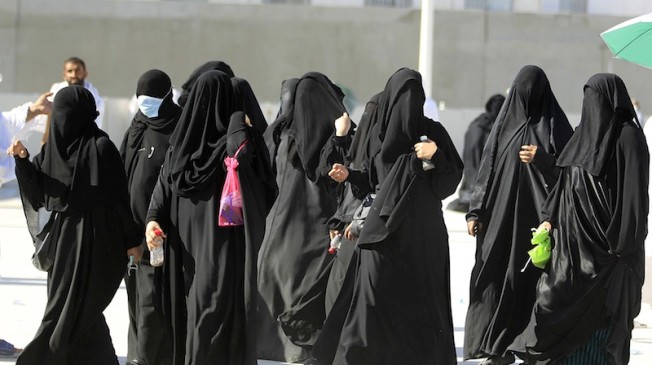
However, on the flip side, I believe that fashion exerts a manipulative force of materialism. It promotes and reinforces the idea that satisfaction comes from through material things. Not just consumerism, Fashion is forceful in other ways too. All around the world, many countries, religions and cultures, have strict laws which governs what people should wear. Like in Saudi Arabia, if a woman whether a resident or foreigner, wear clothes which shows even an inch of bare skin, it is deemed to be as a criminal act.
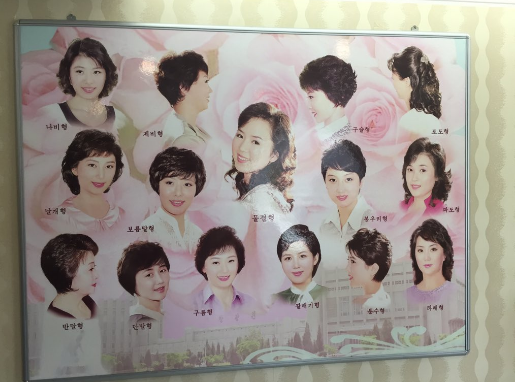
Likewise, in North Korea, it is forbidden to wear blue jeans and people are not allowed to grow long hair. They can choose a haircut among the 15 haircuts recommended by the government.
Fashion helps in strengthening or reinforcing the sense of freedom by using it to show dissent from certain beliefs or laws. People, all around the globe have been using it to break old age taboos and sending the social messages. For instance, during the hippie movement, hippies developed their own distinctive lifestyle, long flowy granny dresses with floral and tie dye patterns were popular among women, many men grew beard, both men and women wore sandals and beads and they favoured long hair. Thus, fashion has been a powerful medium to express our beliefs, ideas and to connect with each other.

Communication helps in creating clarity of thoughts and expression, however, this communication is not restricted to words only. One can express his or her ideas, thoughts or even personality through what he or she wears. Yes! Fashion is a compelling way of communicating without actually saying anything.
Fashion is a universal language understand by fashion and trend lovers all around the globe. It is a means of self-expression. Fashion helps an individual to express its identity and its sense of style and aesthetics to the outside world. Without actually saying anything our clothes sends a message regarding one’s sense of style, culture, beliefs and a lot more things.
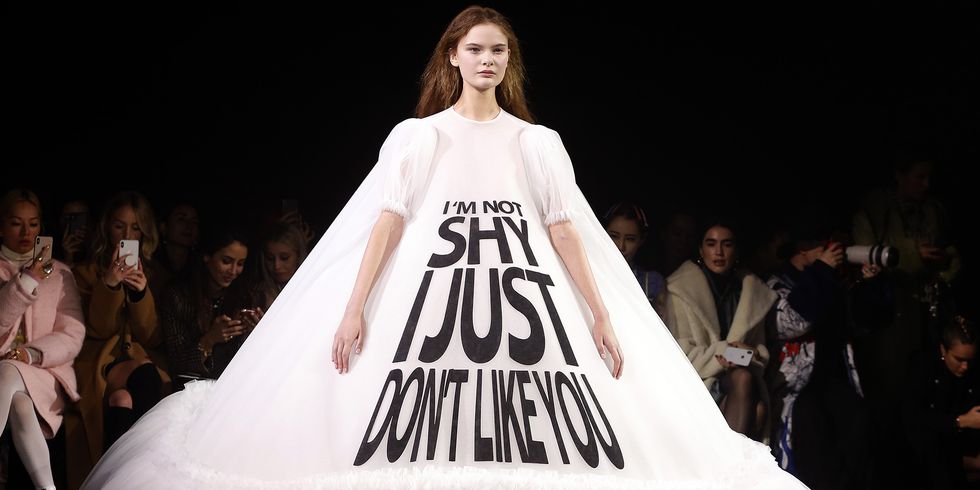
Fashion assists in communicating the social status, class, occupation, marital status, culture and religion of an individual. If a person is wearing high fashion one can say he or she belongs to high class. Although it is very subjective from people to people, as what is luxury for a person may not be for another, but to some extent we can tell about the social status of an individual through fashion. Coming to occupation, tell me what comes to your mind when you see a person wearing a white coat? It’s a Doctor! Right?! This is how our clothes signifies our profession rather than naming it directly .Also, different styles and clothing denotes that a person belongs to a particular community, religion and culture.
Like any other language, fashion also has its elements. It communicates through clothing, accessories, hair and make up etc. These are the building blocks of fashion language.
I think fashion helps in reinforcing the sense of freedom through self expression as clothes can also be used to show dissent from certain beliefs, social messages and breaking age old taboos. For instance, the LGBTQ community Queer Fashion movement. Fashion has been a secret language and a medium to connect with each other for the peoples of LGBTQ community. Queer fashion is a lot more than just being a trend. It is a social message and protest by LGBTQ peope for being who they are.



 The Fashion Brigade